
Conscious design for better living.
Well-being begins in the place you live.

What Is Neuroarchitecture?
A few years ago, when I first started digging into the connection between spaces and emotions, I came across a field that completely changed the way I think about design: neuroarchitecture. It’s not just about creating spaces that look good or function well. It’s about designing environments that genuinely support how we feel, think, and live.
The most widely accepted neuroarchitecture definition describes it as the intersection of neuroscience, environmental psychology, and architecture. In simple terms, it studies how built environments affect the brain, our emotions, and our behavior.
What I find especially fascinating is that every design choice matters. The amount of natural light in a room, the height of a ceiling, the texture of a material, the acoustics, or even the layout of a space can all influence how we feel and function.
Our brains are constantly responding to our surroundings, whether we realize it or not. That’s why neuroarchitecture focuses on creating environments that support well-being, reduce stress, and enhance abilities like creativity, concentration, and social connection.
The Connection Between Neuroarchitecture in Psychology and Well-Being
Understanding the neuroarchitecture definition opened the door to a much deeper way of seeing architecture—one where science and design work hand in hand to improve everyday life. Because the truth is, the spaces we inhabit shape us far more than we often realize.
The relationship between neuroarchitecture in psychology and human well-being runs deep. Environmental psychology has shown for decades that our physical surroundings directly affect our emotions, stress levels, and behavior.
For instance, bright, naturally lit spaces tend to boost energy, optimism, and focus. Sunlight also helps regulate our circadian rhythms, improves mood, and supports better sleep. On the flip side, dark, cluttered, or poorly designed spaces can contribute to mental fatigue, irritability, and anxiety.
And honestly, it doesn’t always take a major renovation to feel the difference. Sometimes, small changes—improving the lighting, rearranging furniture, or adding natural elements—can completely transform how a space feels.
There’s a reason we feel more at ease in a room that’s airy, organized, and connected to the outdoors. First we shape our spaces, and then, in many ways, they shape us.
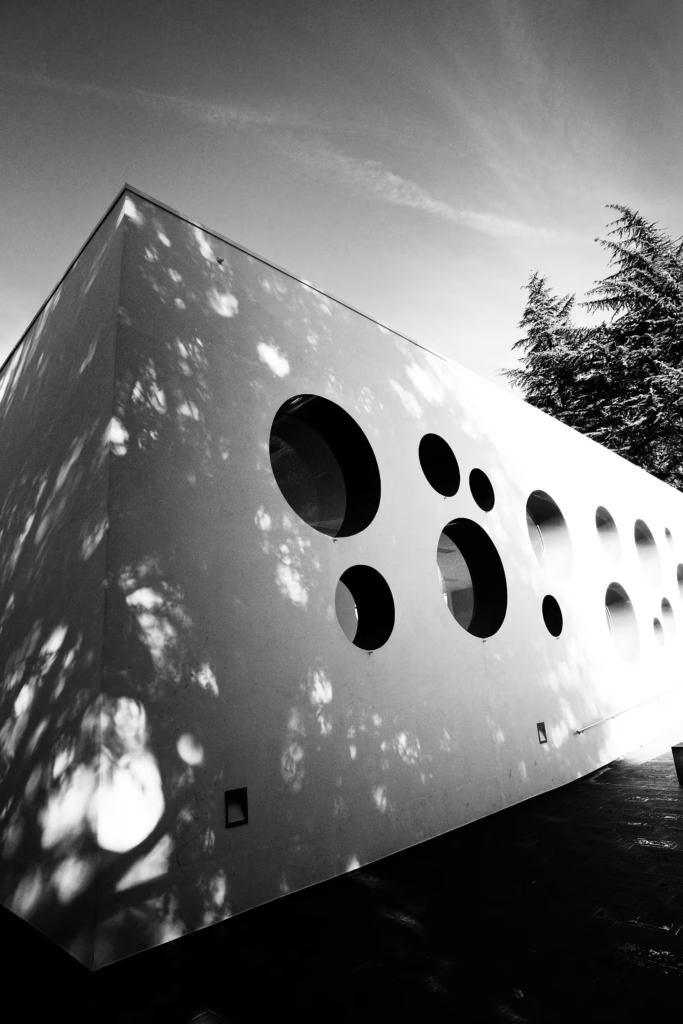
Today, it’s clearer than ever that our surroundings influence our mood, productivity, and even our health. And that’s exactly where neuroarchitecture in psychology becomes so important.
Design Elements That Influence the Brain
Several architectural elements have a direct impact on brain function and emotional well-being:
- Natural light: Regulates circadian rhythms, improves mood, and enhances focus.
- Ventilation and air quality: Fresh, well-circulated air supports cognitive performance and overall comfort.
- Color: Soft tones promote calm, while bolder hues can stimulate creativity and energy.
- Acoustics: Reducing background noise lowers stress and improves concentration.
- Natural materials: Wood, stone, and other organic textures foster warmth, comfort, and a sense of connection to nature.
- Ceiling height and spatial form: Open, airy spaces often encourage creative thinking and a greater sense of freedom.
- Nature integration: Plants, gardens, and outdoor views help reduce stress, sharpen attention, and spark creativity.
These aren’t just aesthetic choices—they’re powerful tools that shape how we experience a space on both a conscious and subconscious level.
The Role of Biophilic Design
One of the most valuable approaches within neuroarchitecture is biophilic design, which strengthens our innate connection to nature.
Incorporating greenery, natural light, organic materials, and views of the outdoors does more than make a space look inviting. It can reduce anxiety, improve productivity, and support overall well-being. Research consistently shows that biophilic environments help people feel calmer, more focused, and more creative.
In a world that’s increasingly urbanized, bringing nature indoors isn’t just nice to have—it’s essential.
Real-World Applications of Neuroarchitecture
Neuroarchitecture is already making a meaningful impact across a wide range of settings.
In offices, open layouts, natural light, acoustic comfort, and green spaces help improve productivity, encourage collaboration, and reduce burnout. You can feel the difference the moment you walk into a thoughtfully designed workplace.
In hospitals, features like large windows, healing gardens, and soothing color palettes have been shown to speed recovery and lower stress for both patients and their families.

In schools, classrooms designed with neuroarchitectural principles can improve focus, boost academic performance, and even reduce behavioral conflicts. A well-designed learning environment becomes a real partner in cognitive development.
And at home, the benefits are just as significant. Maximizing natural light, choosing warm materials, minimizing visual clutter, and incorporating natural elements can create a living space that feels balanced, restorative, and deeply welcoming.
Neuroarchitecture and Sustainable Urban Design
Neuroarchitecture extends far beyond individual buildings. At an urban scale, it offers a framework for creating cities that feel more human, inclusive, and resilient.
Green spaces, visually engaging facades, intuitive wayfinding, and thoughtfully designed public areas can strengthen community ties, encourage social interaction, and foster a stronger sense of belonging.
It also aligns closely with sustainability. By combining bioclimatic strategies, natural ventilation, locally sourced materials, and human-centered design, neuroarchitecture helps create buildings and neighborhoods that reduce environmental impact while enhancing physical and emotional health.
That’s a win-win—better for people, and better for the planet.
Final Thoughts
Neuroarchitecture isn’t a passing trend. It represents a fundamental shift in how we think about design.
It reminds us that spaces are never neutral. They influence how we think, how we feel, and how we interact with the world around us.
Understanding the neuroarchitecture definition and exploring the role of neuroarchitecture in psychology allows us to create environments that truly support human flourishing.
Because at the end of the day, architecture isn’t just about constructing buildings. It’s about shaping places that nurture, inspire, and empower people—while helping build a healthier, more sustainable future for all.